Understanding the Kilimanjaro Climatic Zones is key to preparing for a successful climb, as each stage of Mount Kilimanjaro presents unique weather conditions and landscapes. From lush rainforest at the base to the icy arctic summit, these diverse zones require proper gear, pacing, and acclimatization to ensure a safe and enjoyable trekking experience.
Climbing Mount Kilimanjaro is like traveling from the equator to the Arctic in just a few days. As you ascend, you pass through a series of distinct climatic zones, each with its own landscape, weather conditions, vegetation, and wildlife. Understanding these zones is essential for proper preparation, packing, and appreciating the incredible diversity that makes Kilimanjaro one of the most unique trekking destinations in the world.
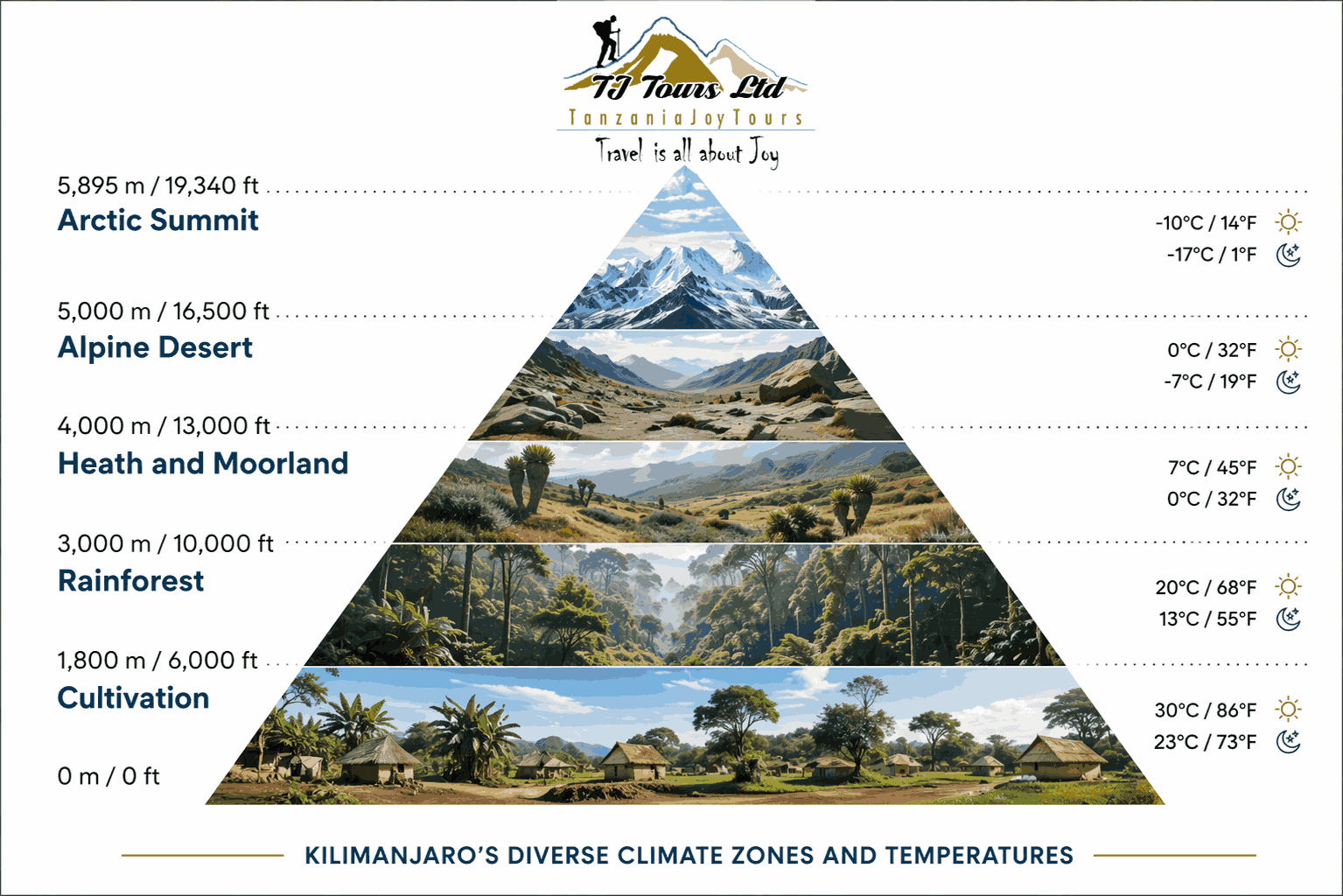
The Rainforest Zone (800m – 3,000m)
The journey begins in the lush rainforest zone, where warm temperatures and high humidity create a vibrant, green environment. This area receives the most rainfall on the mountain, supporting dense vegetation including tall trees, ferns, and moss-covered trunks.
The trails can be muddy and slippery, especially during the rainy season, so proper footwear is essential. Wildlife is also most visible here, with species such as colobus monkeys, blue monkeys, and a variety of birds inhabiting the forest.
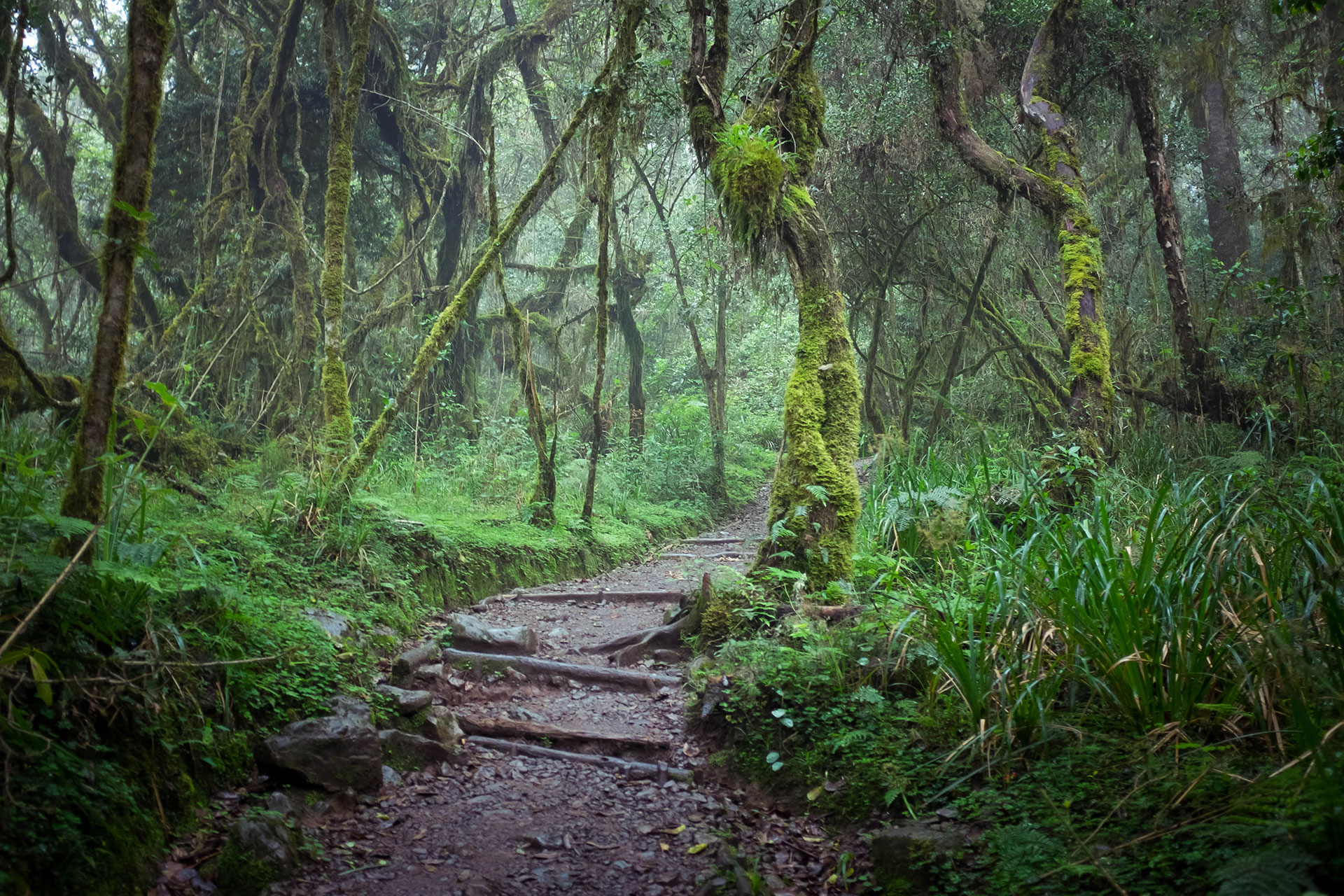
This zone offers a rich introduction to Kilimanjaro’s ecosystem, setting the stage for the dramatic changes ahead.
The Heath and Moorland Zone (3,000m – 4,000m)
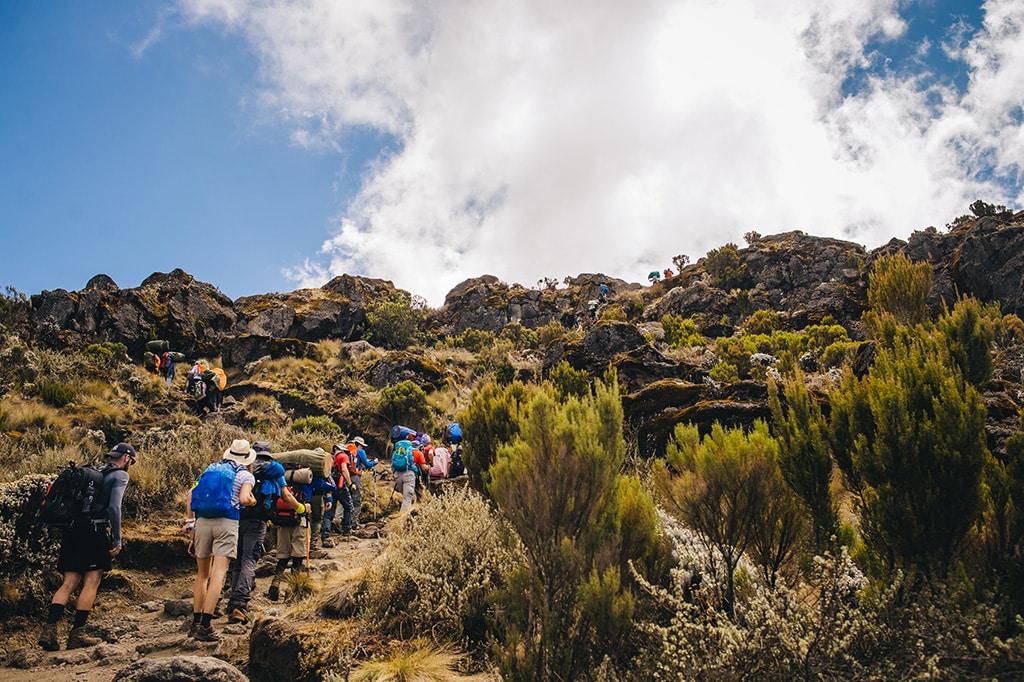
As you climb higher, the dense forest gradually gives way to the heath and moorland zone. This region is characterized by open landscapes, cooler temperatures, and unique vegetation such as giant lobelias and groundsels.
The scenery becomes more expansive, with rolling hills and wide views of the mountain. Days are generally mild and sunny, while nights can be significantly colder. This zone is ideal for acclimatization, as the gradual elevation gain allows your body to begin adjusting to thinner air.
The Alpine Desert Zone (4,000m – 5,000m)
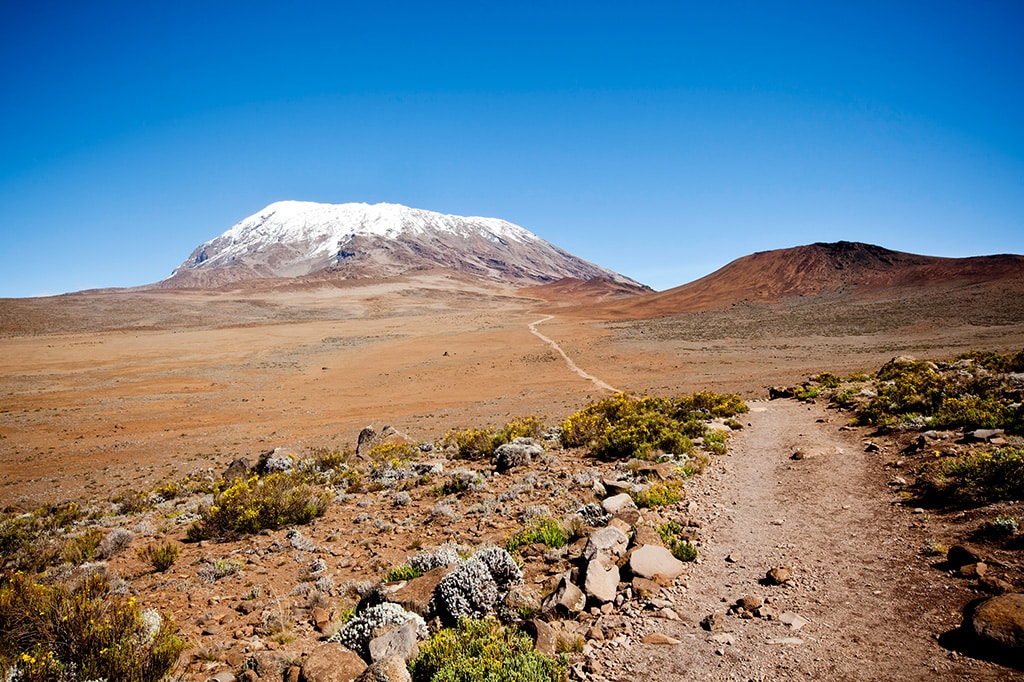
The alpine desert zone presents a stark contrast to the greenery below. Here, the environment becomes dry, rocky, and barren, with very little vegetation. Rainfall is minimal, and the temperature can fluctuate dramatically between hot days and freezing nights.
Oxygen levels decrease significantly in this zone, making acclimatization more challenging. The landscape is dominated by volcanic rock, dust, and wide open spaces, creating a surreal and almost otherworldly atmosphere.
This is where climbers begin to feel the true effects of altitude, and maintaining a slow pace becomes even more important.
The Arctic Summit Zone (5,000m – 5,895m)
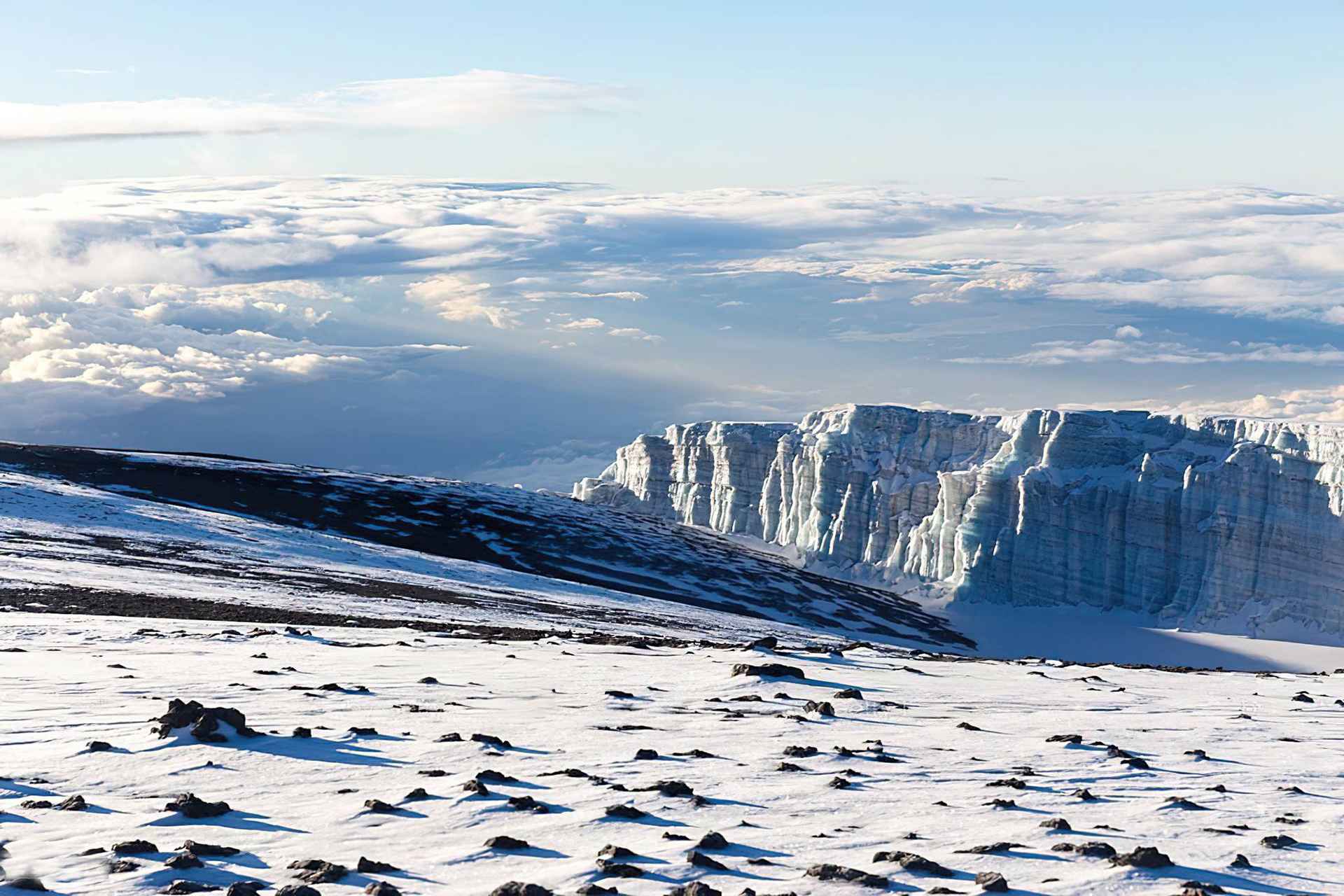
The final stage of the climb takes you into the arctic zone, a harsh and extreme environment near the summit. Temperatures can drop well below freezing, and strong winds are common. The landscape is dominated by ice, snow, and glaciers.
Vegetation is almost nonexistent, and the air contains significantly less oxygen, making every step more challenging. Summit night is the most demanding part of the climb, requiring determination, proper gear, and mental strength.
Reaching Uhuru Peak, the highest point in Africa, is a rewarding moment that reflects the effort of crossing all climatic zones.
How Climatic Zones Affect Your Climb
Each climatic zone on Kilimanjaro presents its own challenges and experiences. From humid forests to freezing summit conditions, climbers must be prepared for rapid environmental changes.
Layering clothing is essential, as temperatures can vary drastically within a single day. Proper acclimatization is also critical, as the transition between zones involves significant altitude gain.
Understanding these zones helps you anticipate what to expect and ensures you are physically and mentally prepared for the journey.
Best Time to Experience Kilimanjaro Climatic Zones
Kilimanjaro can be climbed year-round, but the best conditions are typically during the dry seasons from January to March and June to October. During these periods, trails are more accessible, and visibility is clearer, allowing you to fully enjoy the beauty of each climatic zone.
However, even during the dry season, weather conditions can vary, and climbers should always be prepared for sudden changes.
Why Climb with Tanzania Joy Tours?
At Tanzania Joy Tours, we provide expert guidance to help you navigate every climatic zone safely and comfortably. Our experienced guides ensure proper pacing, acclimatization, and preparation for changing conditions.
We also offer detailed pre-climb support, helping you pack the right gear and understand what to expect at each stage of the journey.
Final Thoughts on Kilimanjaro Climatic Zones
The climatic zones of Kilimanjaro are what make this mountain truly unique. Few places on Earth allow you to experience such diverse environments in a single trek.
From tropical rainforest to arctic summit, each zone adds a new dimension to your adventure, making the journey as memorable as the destination.
Start Your Kilimanjaro Adventure Today
Ready to explore the diverse climatic zones of Mount Kilimanjaro?
Let Tanzania Joy Tours guide you on an unforgettable journey to the roof of Africa.