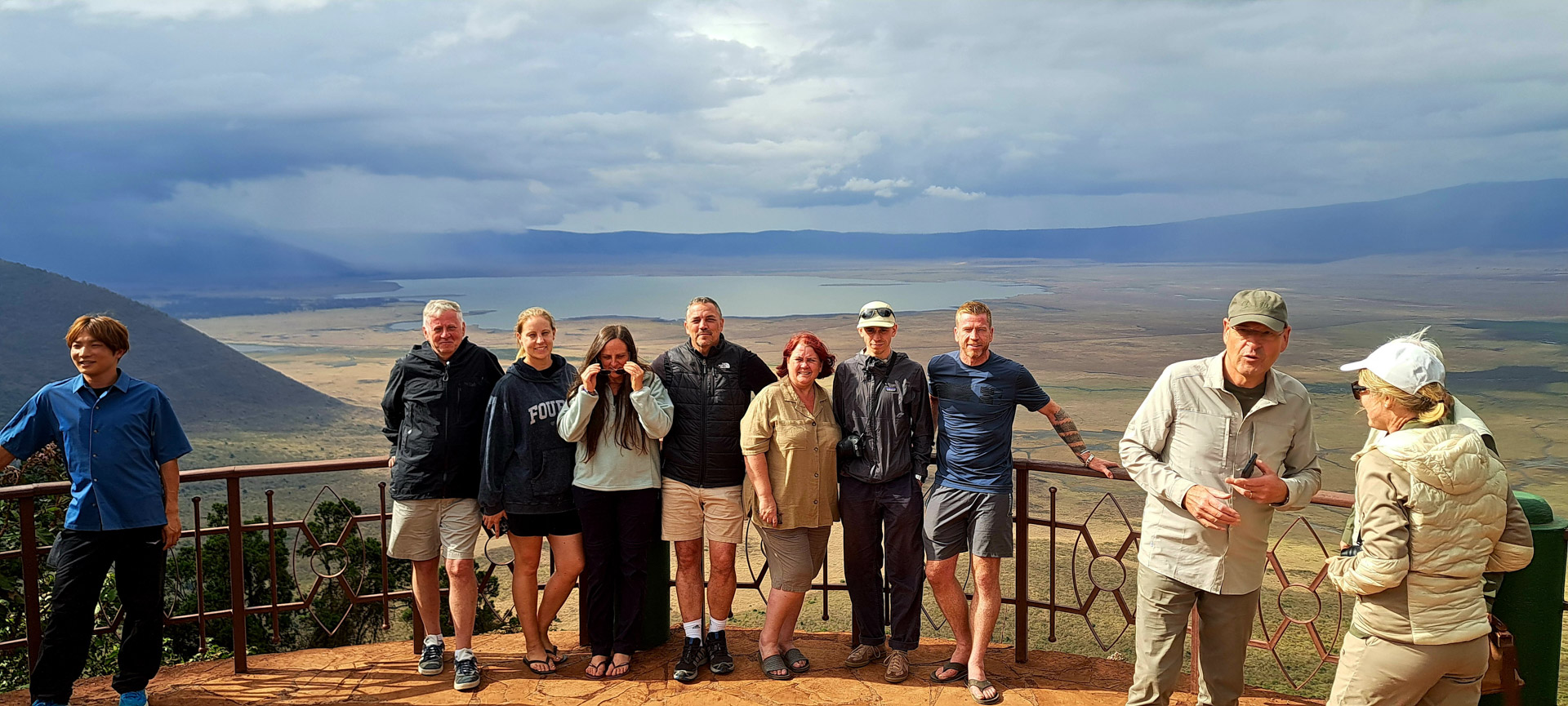
Understanding Mount Kilimanjaro Tipping Information is an important part of preparing for your climb, as tipping is a standard and meaningful way to appreciate the hard work of guides, cooks, and porters. On Mount Kilimanjaro, these crew members play a vital role in your safety and success, and following recommended tipping guidelines ensures fair support while enhancing your overall climbing experience.
Climbing Mount Kilimanjaro is not only a personal achievement but also a team effort supported by a dedicated crew of guides, porters, and cooks. Tipping on Kilimanjaro is a well-established and expected practice that reflects appreciation for the hard work, care, and support provided throughout your journey. At Tanzania Joy Tours, we believe in fair and transparent tipping guidelines to ensure both climbers and crew have a positive and respectful experience.
Why Tipping is Important on Kilimanjaro
Tipping plays a significant role in the livelihood of mountain crews. While guides and porters receive wages, tips form an essential part of their overall income and serve as recognition of their dedication and service quality.
Climbing Kilimanjaro requires a large support team working behind the scenes to ensure your safety and comfort. Porters carry equipment, set up camps, and prepare meals, often in challenging conditions. Guides monitor your health, pace your trek, and make critical safety decisions. Tipping is a meaningful way to acknowledge these efforts and show gratitude for their commitment.
Understanding the Kilimanjaro Crew Structure
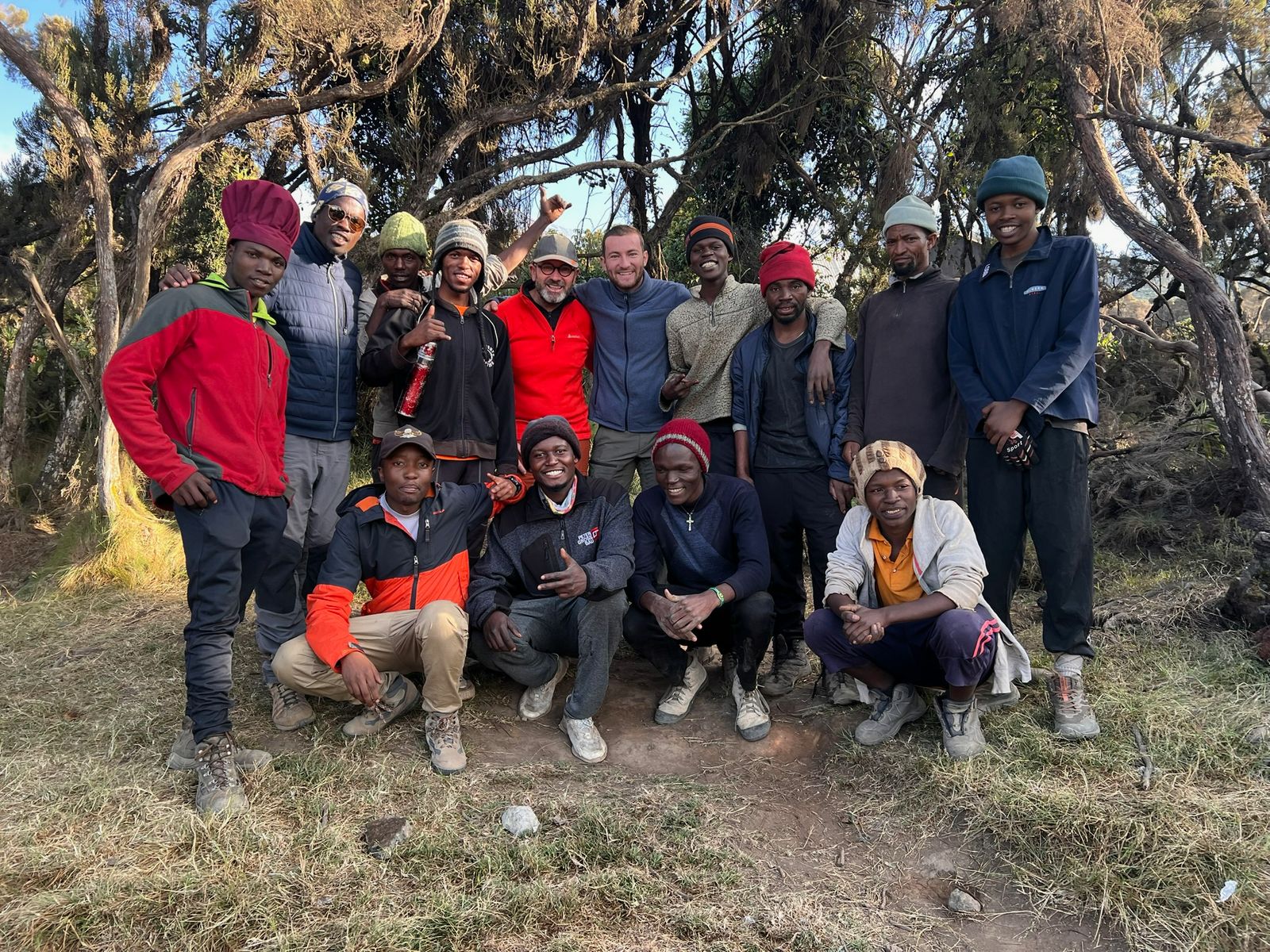
A Kilimanjaro climb involves a team of professionals, each playing a vital role in your success. The lead guide is responsible for your safety, navigation, and overall experience. Assistant guides support the lead guide and help manage the group.
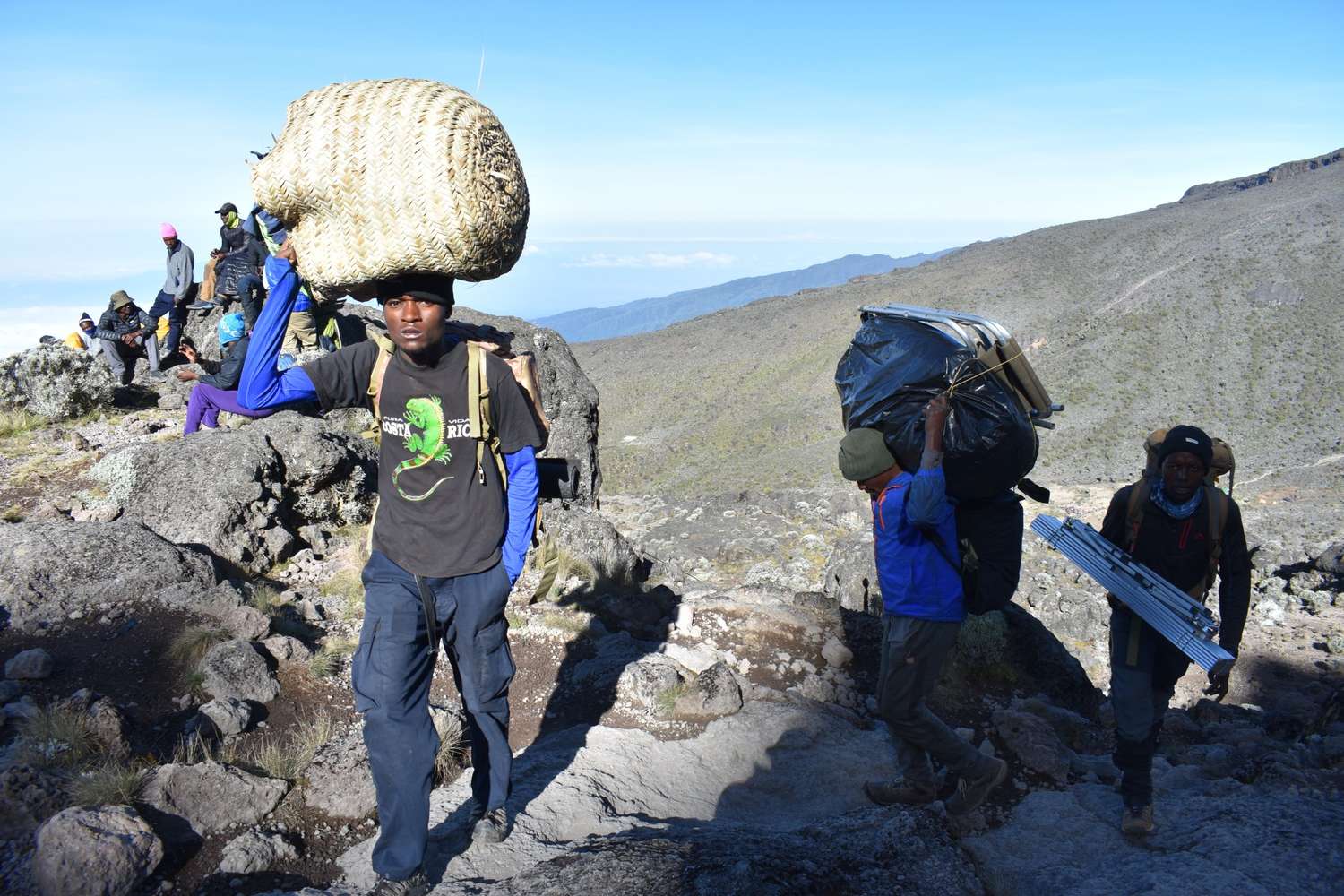
Porters are the backbone of the expedition, carrying tents, food, and personal gear, while cooks prepare nutritious meals to keep you energized. Depending on your group size, the number of crew members can vary, but each individual contributes to making your climb possible.
Recommended Tipping Guidelines
Tipping amounts on Kilimanjaro are generally based on industry standards and are calculated per day, per climber. These guidelines ensure fairness and consistency across the mountain.
For guides, tips are typically higher due to their level of responsibility and expertise. Assistant guides receive slightly less but still play an important role in your journey. Porters and cooks are also tipped accordingly, recognizing their hard work and essential contributions.
While exact amounts may vary depending on group size and duration of the climb, Tanzania Joy Tours provides clear recommendations before your trip to help you plan appropriately and avoid confusion.
Recommended Kilimanjaro Tipping Amounts (Per Day Per Climber)
When climbing Mount Kilimanjaro, tipping is standardized across the industry to ensure fairness for all crew members. While amounts can vary slightly between operators, the following ranges are widely accepted and recommended:

For lead guides, tipping typically ranges between $20 to $25 per day per climber, reflecting their responsibility for safety, decision-making, and overall leadership of the climb.
Assistant guides usually receive between $15 to $20 per day per climber, as they play a crucial role in supporting the group and monitoring climbers’ well-being.
For the cook, a recommended tip is $10 to $15 per day per climber, recognizing their effort in preparing nutritious meals in challenging mountain conditions.
Porters, who carry equipment and ensure camp logistics run smoothly, are generally tipped $6 to $10 per day per climber. Although individual amounts are smaller, the total contribution is significant due to the number of porters involved.
Example Total Tipping Estimate
For a typical 7-day Kilimanjaro climb, the total tipping contribution per climber usually ranges between $250 and $350, depending on group size and service level. This amount is often pooled and distributed fairly among the crew.
Why Clear Tipping Guidelines Matter
Providing clear tipping amounts helps travelers plan their budget in advance and ensures transparency. It also supports fair wages and motivates the crew, who work tirelessly to make your climb safe and successful.
When and How to Tip on Kilimanjaro
Tipping is usually done at the end of your climb, often during a dedicated tipping ceremony organized by your guide team. This moment allows climbers to personally thank the crew and distribute tips in a respectful and organized manner.
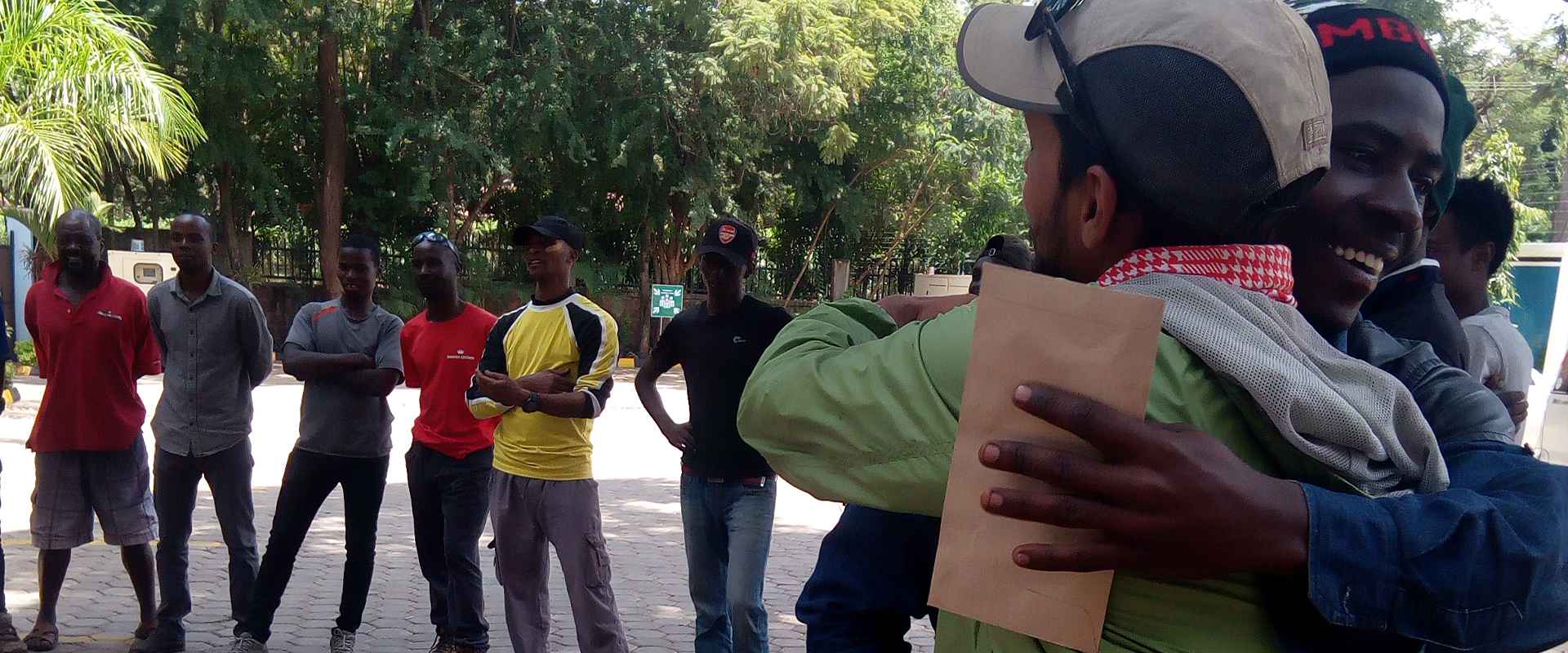
It is recommended to prepare tips in advance in cash, typically in US dollars or Tanzanian shillings. Tips are usually handed to the lead guide, who then distributes them fairly among the team, ensuring transparency and proper allocation.
Group vs Individual Tipping
For group climbs, it is common for participants to pool their tips together and present them as a collective contribution. This approach simplifies the process and ensures fairness among crew members.
However, climbers may also choose to give additional tips to specific crew members who provided exceptional service. This personal gesture is always appreciated and reflects individual recognition.
Ethical and Responsible Tipping Practices
Tanzania Joy Tours is committed to ethical tourism and supports fair treatment of all mountain crew members. We follow guidelines set by organizations such as the Kilimanjaro Porters Assistance Project (KPAP), which promotes fair wages and working conditions.
By following recommended tipping practices, climbers contribute to a sustainable and responsible tourism industry that supports local communities and improves the lives of those working on the mountain.
Tips for Preparing Your Tipping Budget
Planning your tipping budget in advance helps avoid last-minute stress. Consider the number of days you will be on the mountain and the size of your crew, as these factors influence the total tipping amount.
It is also helpful to carry small denominations for easier distribution. Keeping your tipping money separate and organized ensures a smooth process at the end of your climb.
Why Tipping Enhances Your Kilimanjaro Experience
Tipping is more than a financial gesture—it strengthens the connection between climbers and crew. It creates a sense of appreciation, respect, and shared achievement.
Many climbers find the tipping ceremony to be one of the most emotional and rewarding moments of their journey, as it reflects the teamwork and support that made their success possible.
Why Climb with Tanzania Joy Tours?
At Tanzania Joy Tours, we prioritize fairness, transparency, and the well-being of our crew. We ensure that all team members are treated with respect and receive proper support throughout every expedition.
Our experienced guides provide clear communication about tipping expectations, helping you feel confident and prepared. By climbing with us, you are supporting a responsible and ethical approach to tourism on Kilimanjaro.
Final Thoughts on Kilimanjaro Tipping
Understanding tipping on Kilimanjaro is an important part of preparing for your climb. It reflects appreciation for the people who make your journey possible and contributes to a positive and respectful climbing environment.
With the right guidance and preparation, tipping becomes a meaningful and memorable part of your Kilimanjaro experience.
Plan Your Kilimanjaro Adventure Today
Ready to climb Mount Kilimanjaro with expert support and clear guidance?
Let Tanzania Joy Tours help you every step of the way—from planning to summit success.