Mt. Kilimanjaro Hiking Adventure

Home / Mt. Kilimanjaro Hiking Adventure

Climb to the Roof of Africa

An Unforgettable Mount Kilimanjaro Hiking Adventure

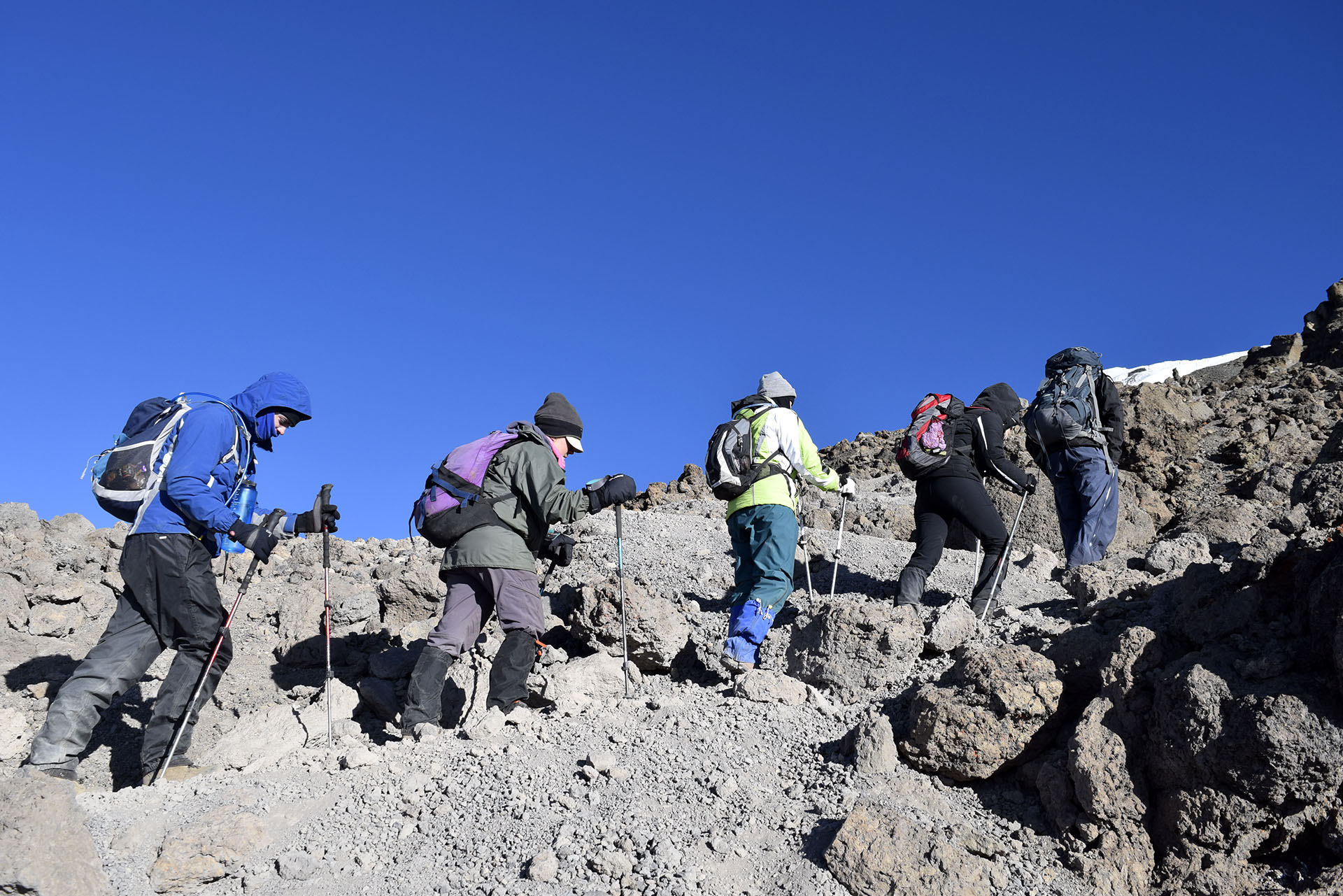
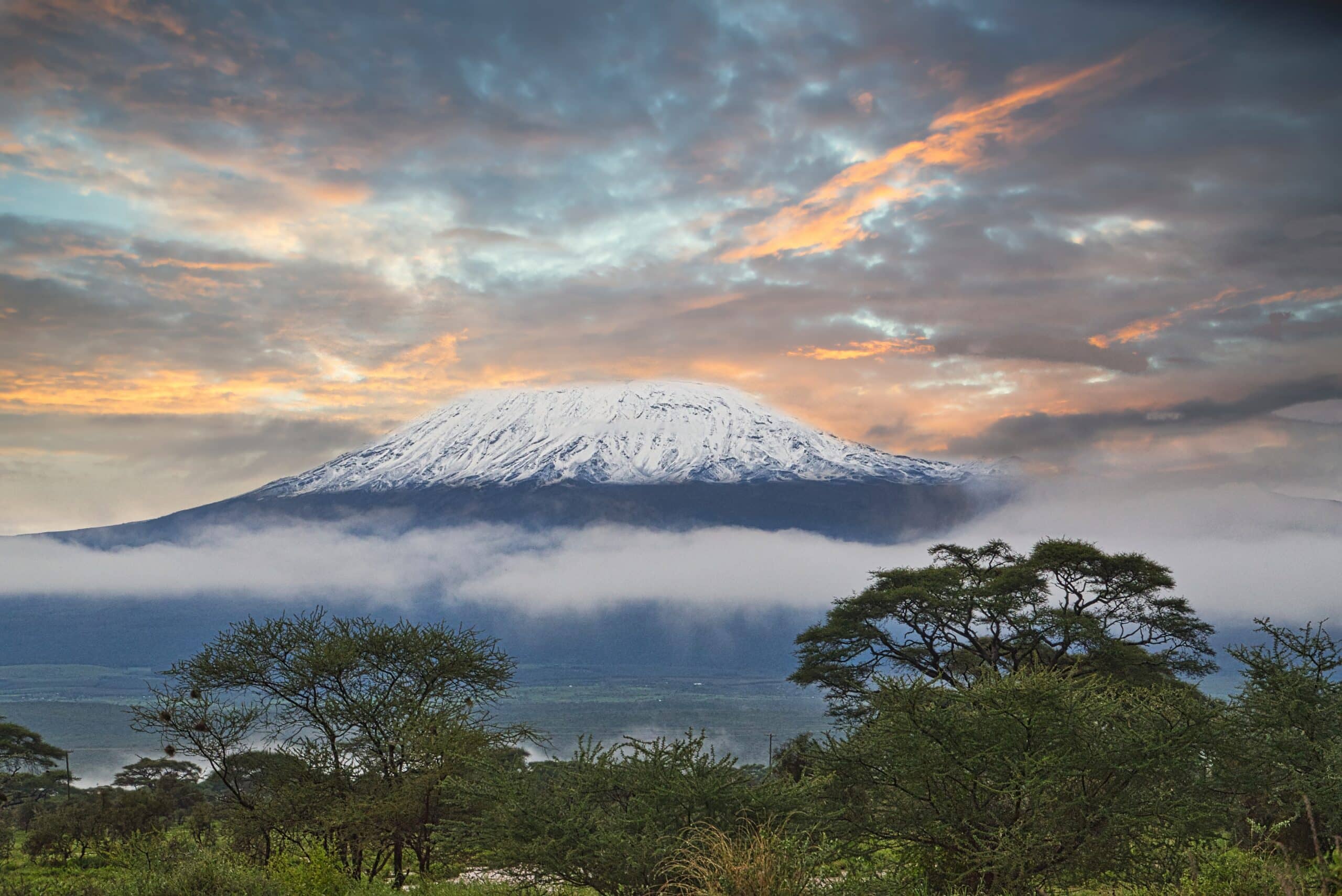
Hiking Mount Kilimanjaro is a once-in-a-lifetime journey to the highest peak in Africa. From the lush rainforest at the base to the vast alpine desert and icy summit above the clouds, every stage of the climb reveals a new and breathtaking landscape. The sense of achievement, combined with the raw beauty of the mountain, makes this adventure truly unforgettable.

As you ascend, the trail takes you through diverse ecosystems, where each day brings new scenery, changing climates, and a deeper connection to the mountain. Reaching Uhuru Peak at sunrise is the highlight of the journey—standing above the clouds as the first light touches Africa is a moment that stays with you forever.

With Tanzania Joy Tours, your Kilimanjaro expedition is carefully planned for safety, comfort, and summit success. Our experienced guides support you every step of the way, ensuring proper acclimatization, steady pacing, and a rewarding climb designed to give you the best possible chance of reaching the top.

SPEAK TO ONE OF OUR CONCIERGE SPECIALISTS

Start planning your tailor-made trip by contacting one of our Concierge specialists

+255 (0) 719 973 749

When to Hike Mount Kilimanjaro

Find the Best Time to Climb Mount Kilimanjaro

The best time to hike Mount Kilimanjaro is during the dry seasons, when the weather is more stable and trekking conditions are at their best. The most recommended months are January to early March and June to October, offering clearer skies, better trail conditions, and higher chances of a successful summit.

January and February are particularly popular due to warmer temperatures and generally clear views. Early March can still be a good window, but as the month progresses, rainfall begins to increase, marking the transition into the long rainy season.

June to October is considered the peak climbing season, with cooler temperatures and very stable weather, making it one of the best times for visibility and overall experience. While Kilimanjaro can be climbed year-round, April to May and November bring heavier rains, which can make trails slippery and reduce visibility. For the best balance of safety, comfort, and summit success, the dry seasons remain the ideal choice.

Kilimanjaro Hiking Routes

Choose the Best Route for Your Climb

The following are the most popular routes to hike Mount Kilimanjaro, each offering a unique path to the summit. From scenic trails and gradual climbs to more challenging and direct approaches, every route provides a different experience of the mountain’s landscapes, difficulty level, and success rate—helping you choose the one that best fits your goals and adventure style.

Our Kilimanjaro Hiking Packages

Explore Our Most Booked Kilimanjaro Climbing Tours

These are carefully selected Kilimanjaro hiking packages designed to give you the best summit experience on Mount Kilimanjaro. Each itinerary is based on proven routes, proper acclimatization, and real climbing experience, helping you choose the trek that matches your fitness level, goals, and adventure style.

HIGHLIGHTS

Enquire for Pricing

Also known as the “Whiskey” route, the Machame route is now the most popular ascent route

Mount Kilimanjaro Treks

HIGHLIGHTS

Enquire for Pricing

Known as the “Coca-Cola” route, the Marangu route is a classic trek on Mount Kilimanjaro.

Mount Kilimanjaro Treks

HIGHLIGHTS

Enquire for Pricing

The Kilimanjaro climb 8 days lemosho is the best for acclimatization.The remote is less used

Mount Kilimanjaro Treks

HIGHLIGHTS

Enquire for Pricing

The Kilimanjaro climb 7 days lemosho is the best for acclimatization.The remote is less used

Mount Kilimanjaro Treks

HIGHLIGHTS

Enquire for Pricing

The Kilimanjaro climb lemosho is the best for acclimatization.The remote is less used

Mount Kilimanjaro Treks

HIGHLIGHTS

Enquire for Pricing

The Northern Circuit is the newest and longest route on Mount Kilimanjaro. It begins in the West

Mount Kilimanjaro Treks

Kilimanjaro Hiking Tips & Guides

Essential Tips and Expert Advice for a Successful Kilimanjaro Summit

 Explore our expert articles and practical guides designed to help you prepare for a safe and successful climb of Mount Kilimanjaro. From altitude tips and packing advice to training guidance and acclimatization strategies, these insights are created to improve your summit success and help you understand exactly what it takes to reach the top.


Understanding the True Cost of A Kilimanjaro Climb

Is It Possible to Summit Mount Kilimanjaro in May?

Kilimanjaro Climb During COVID-19: What You Need to Know

Kilimanjaro Altitude Sickness: Symptoms & Prevention

Kilimanjaro Climate & Weather Conditions

Kilimanjaro Climbing Safety Information – Complete Guide for a Safe Summit

Kilimanjaro Hiking FAQs

Answers to Your Most Common Questions

Get clear and helpful answers to the most frequently asked questions about climbing Mount Kilimanjaro. From preparation and difficulty level to safety, best seasons, packing tips, and summit expectations—this section helps you plan better and climb with confidence for a successful and unforgettable adventure.

How difficult is it to climb Mount Kilimanjaro?

Climbing Mount Kilimanjaro is considered a challenging trekking experience mainly because of altitude rather than technical difficulty. You don’t need climbing skills, but you do need good fitness, stamina, and mental preparation for long hiking days, cold nights, and changing environments from rainforest to alpine desert and glaciers.

Do I need technical climbing experience?

No technical mountaineering skills are required. Kilimanjaro is a non-technical trekking mountain, meaning you walk all the way to the summit. However, preparation through hiking, cardio training, and endurance building is highly recommended for a comfortable experience.

How many days does it take to climb Kilimanjaro?

Most routes take between 5 to 9 days. Shorter routes are faster but more difficult due to limited acclimatization time, while longer routes like Lemosho and Northern Circuit give your body more time to adjust to altitude, increasing summit success rates.

What is the best time to climb Kilimanjaro?

The best climbing seasons are January to March and June to October. These months offer more stable weather, clearer skies, and better trekking conditions. April–May and November are wetter months, with more rain and slippery trails.

What is altitude sickness and how is it managed?

Altitude sickness occurs when your body struggles to adjust to lower oxygen levels at high elevations. Symptoms may include headache, nausea, or fatigue. It is managed by slow ascent, proper hydration, rest, and following your guide’s instructions. Choosing longer routes also significantly reduces the risk.

What should I pack for the climb?

You should pack layered clothing for cold and warm conditions, waterproof jacket and pants, insulated jacket, hiking boots, gloves, hat, sunglasses, headlamp, and a sleeping bag rated for cold temperatures. Proper gear is essential because temperatures can drop below freezing near the summit.

Are guides and porters required?

Yes, all climbers must be accompanied by licensed guides and supported by porters. Guides ensure safety, manage pace, and assist with acclimatization, while porters carry most of the equipment, allowing you to focus on the climb itself.

What kind of accommodation is available on the mountain?

Accommodation depends on the route. Most routes use high-quality camping tents, while the Marangu Route offers basic mountain huts. Camps are set up daily by the support team, providing meals and rest areas during the expedition.

What is the success rate of reaching the summit?

Success rates vary by route and duration. Longer routes such as Lemosho and Northern Circuit have higher success rates because they allow better acclimatization. Shorter routes can be more physically demanding and have lower success rates.

Can beginners climb Mount Kilimanjaro?

Yes, beginners can successfully climb Kilimanjaro if they are reasonably fit and well-prepared. Many first-time hikers reach the summit by choosing longer routes, training beforehand, and following a steady pace throughout the climb.

HEAR FROM OUR GUESTS

Stories That Inspire Your Next Adventure

Discover what our travelers have to say about their unforgettable journeys with Tanzania Joy Tours. From life-changing safaris to seamless travel experiences, our guests’ stories reflect our commitment to quality, care, and exceptional service.


WHY US

Over 15+ Years of Safari Experience

hese are the key reasons to choose Tanzania Joy Tours. With over 15 years of experience in organizing safaris, we understand what it takes to create smooth, safe, and memorable journeys across Tanzania.

Expertly Crafted Safari Experiences

Every safari is carefully designed to deliver authentic and unforgettable wildlife encounters. With deep local expertise and strong knowledge of Tanzania’s top destinations, Tanzania Joy Tours ensures you explore the wild in a meaningful and well-organized way. From iconic national parks to hidden gems, each itinerary is built to match your travel style and create a truly immersive adventure.

Reliable Service & Comfortable Travel

Enjoy peace of mind with professional guides, well-maintained safari vehicles, and smooth travel arrangements from start to finish. Tanzania Joy Tours focuses on comfort, safety, and personalized attention, ensuring every journey is stress-free and memorable. Whether it’s a private safari or group adventure, every detail is handled with care for the best possible experience.