Climbing Mount Kilimanjaro is an incredible achievement, but it also comes with risks associated with high altitude and remote terrain. While most climbs are safe and successful, it is essential to understand the emergency support systems in place. One of the most important safety measures available today is the Kilimanjaro Helicopter Rescue Service, designed to provide rapid evacuation in case of serious medical or emergency situations.
What Is Kilimanjaro Helicopter Rescue Service?
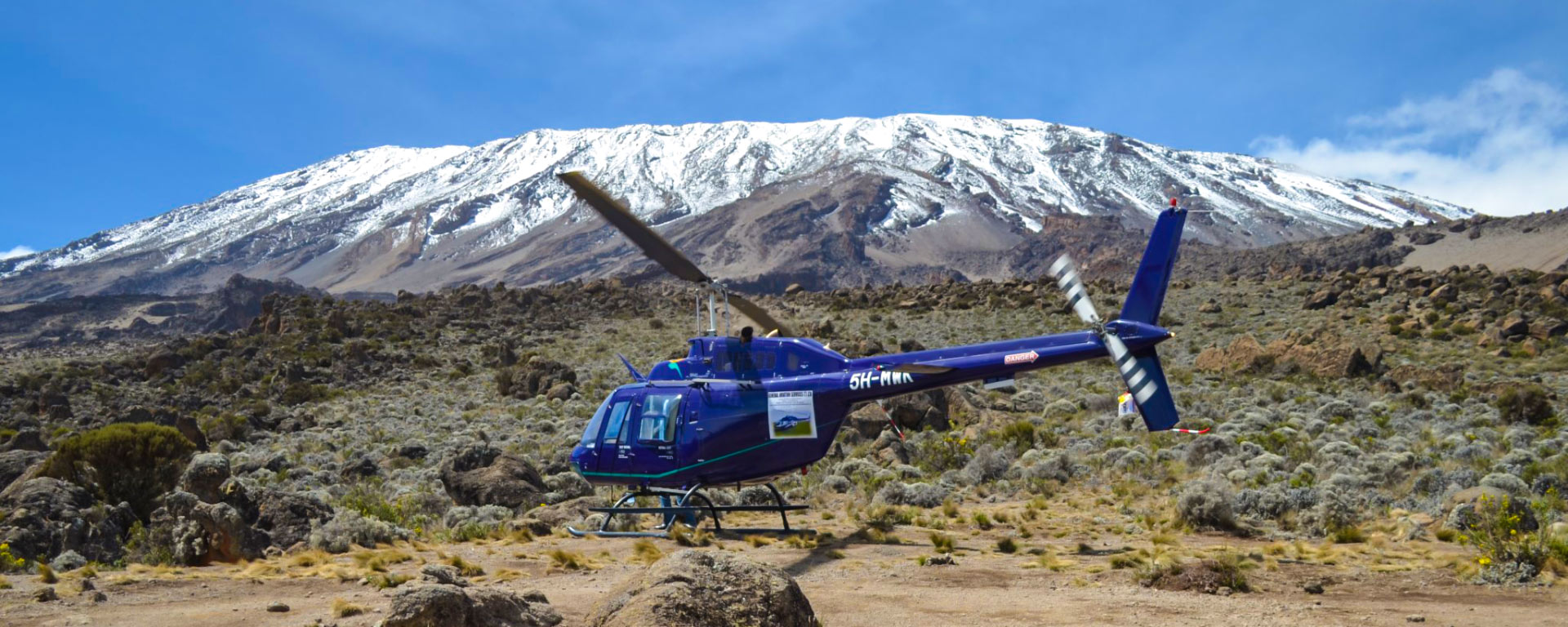
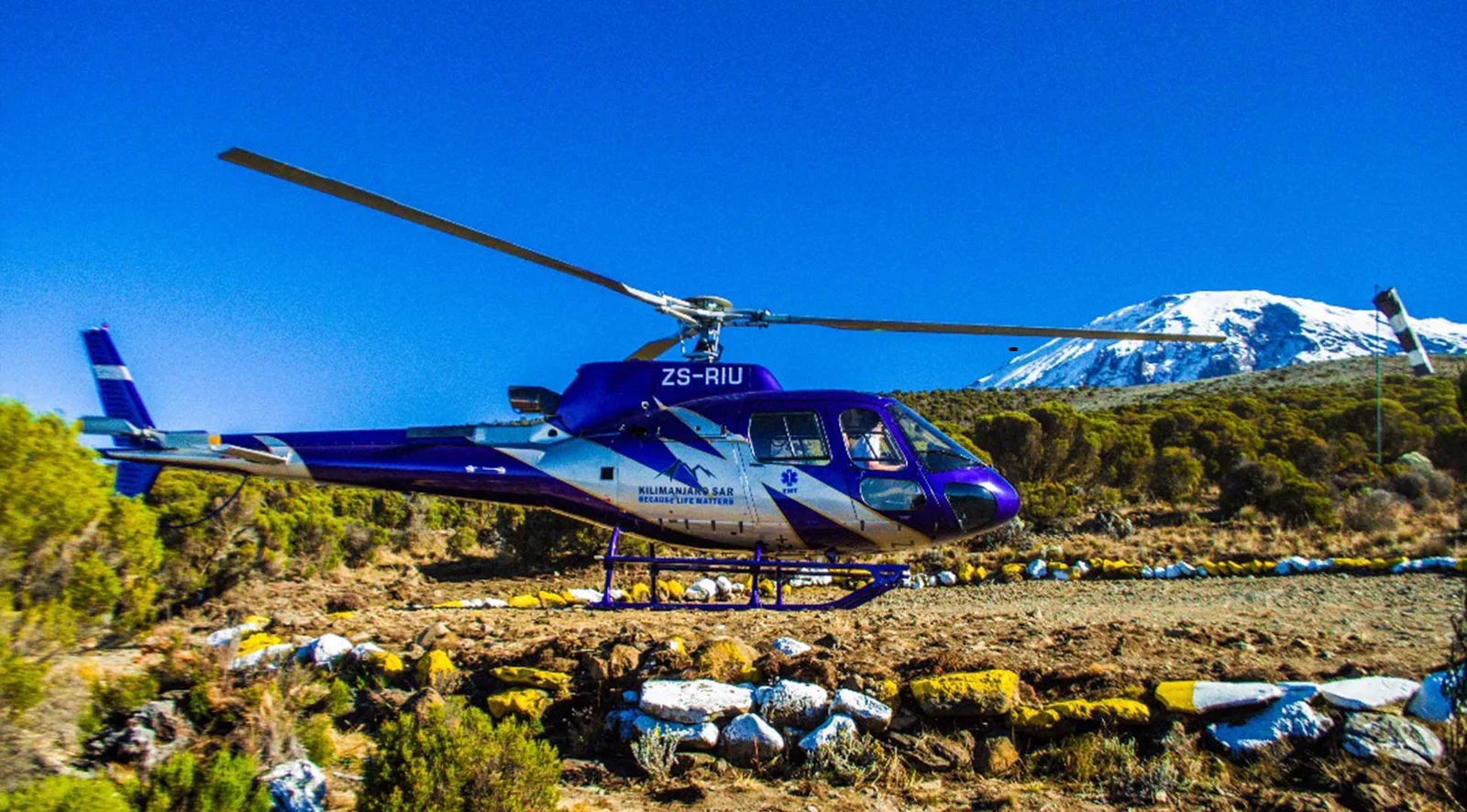
The Kilimanjaro Helicopter Rescue Service is a specialized emergency evacuation system that uses helicopters to airlift climbers from the mountain in critical situations. This service is operated by professional rescue teams equipped to handle high-altitude emergencies.
Unlike standard ground evacuations, which can take many hours or even days, helicopter rescue provides a faster and more efficient way to transport injured or ill climbers to medical facilities for urgent care.
When Is Helicopter Rescue Required?
Helicopter rescue is typically used in serious situations where immediate evacuation is necessary. These may include severe cases of altitude sickness, such as High Altitude Pulmonary Edema (HAPE) or High Altitude Cerebral Edema (HACE), as well as injuries like fractures or accidents during the climb.
It may also be required in cases of extreme exhaustion or other medical emergencies that cannot be safely managed on the mountain. The decision to initiate a helicopter rescue is made by trained guides and medical personnel based on the climber’s condition.
How the Rescue Process Works
When a climber requires urgent evacuation, the guide team initiates the rescue protocol. Communication is established with the helicopter rescue provider, and the climber is moved to the nearest designated landing zone on the mountain.
Once the helicopter arrives, trained personnel assist in safely boarding the patient. The climber is then transported to a medical facility, usually in Moshi or Arusha, where further treatment can be provided.
This process is carefully coordinated to ensure speed, safety, and efficiency.
Landing Zones on Mount Kilimanjaro
Helicopter rescues are only possible from specific landing areas located at various points on the mountain. These zones are strategically positioned along popular routes to ensure accessibility in emergencies.
In some cases, climbers may need to be assisted or carried to the nearest landing zone before evacuation can take place. This is why early detection of health issues is critical, allowing guides to act quickly before conditions worsen.
Limitations of Helicopter Rescue
While helicopter rescue is highly effective, it is not always guaranteed. Weather conditions such as heavy fog, strong winds, or poor visibility can prevent helicopters from flying.
Additionally, extreme altitude and terrain can limit where helicopters can safely land. For this reason, helicopter rescue should be seen as a backup safety measure rather than a replacement for proper preparation and acclimatization.
Importance of Travel Insurance
Having comprehensive travel insurance that covers high-altitude trekking and helicopter evacuation is essential when climbing Kilimanjaro. Helicopter rescues can be expensive, often costing several thousand dollars.

Your insurance policy should clearly include emergency evacuation coverage to ensure you are protected in case of an unexpected situation. Tanzania Joy Tours strongly recommends confirming this coverage before your trip.
Role of Guides in Emergency Situations
Professional guides play a critical role in preventing emergencies and managing them when they occur. They monitor climbers’ health daily, checking for signs of altitude sickness and ensuring proper acclimatization.
In the event of an emergency, guides are trained to provide first aid, stabilize the climber, and coordinate evacuation procedures, including helicopter rescue if necessary.
Their expertise significantly reduces risks and ensures that appropriate action is taken quickly.
Ground Evacuation vs Helicopter Rescue
Traditionally, emergency evacuations on Kilimanjaro were carried out on foot or using stretchers, which could take a long time depending on the location.
Helicopter rescue has greatly improved response times, especially in critical situations. However, ground evacuation is still used when helicopter access is not possible, making it an important part of the overall rescue system.
Why Safety Preparation Still Matters
Even with helicopter rescue services available, prevention remains the best approach. Proper acclimatization, choosing the right route, maintaining hydration, and following your guide’s advice are key factors in avoiding emergencies.
Climbers should always listen to their bodies and communicate any discomfort early to their guide.
Why Choose Tanzania Joy Tours?
At Tanzania Joy Tours, safety is our top priority. We work with experienced guides who are trained in high-altitude safety and emergency response procedures.
We ensure that all climbers are well-prepared, properly monitored, and supported throughout their journey. Our team is knowledgeable about rescue protocols and ready to act swiftly in case of any emergency.
Final Thoughts on Kilimanjaro Helicopter Rescue Service
The Kilimanjaro Helicopter Rescue Service is a vital safety feature that provides peace of mind for climbers. While it is rarely needed, knowing that rapid evacuation is available adds an extra layer of security to your adventure.
Plan Your Kilimanjaro Climb with Confidence
Ready to climb Mount Kilimanjaro with safety and expert support?
Let Tanzania Joy Tours guide you on a safe and unforgettable journey.