Discover the minimum age to climb Mount Kilimanjaro, whether children can summit safely, age requirements, expert tips, and family trekking advice.
Climbing Mount Kilimanjaro is a dream shared by adventurers from every corner of the world. Standing at 5,895 meters (19,341 feet) above sea level, Africa’s tallest mountain attracts thousands of trekkers each year, including families who wish to experience this remarkable journey together. One of the most common questions parents ask is whether children are allowed to climb Kilimanjaro and what the minimum age requirement is.
While reaching the summit is an extraordinary achievement, Kilimanjaro is not simply a long hike. The mountain presents unique challenges, particularly the effects of high altitude, changing weather conditions, and multiple days of trekking. Understanding the official age restrictions and evaluating whether a child is physically and mentally prepared are essential steps before planning a family adventure.
What Is the Minimum Age to Climb Mount Kilimanjaro?
According to Tanzania National Parks (TANAPA) regulations, the minimum age to climb Mount Kilimanjaro is 10 years old. Children younger than ten are generally not permitted to attempt the climb because of the physical demands and the potential health risks associated with high altitude.
The age restriction is designed primarily to protect young climbers. Children often have difficulty recognizing or communicating the symptoms of altitude sickness, making it more challenging for guides and parents to assess their condition during the trek. Even healthy children can experience headaches, nausea, dizziness, or fatigue as they gain elevation.
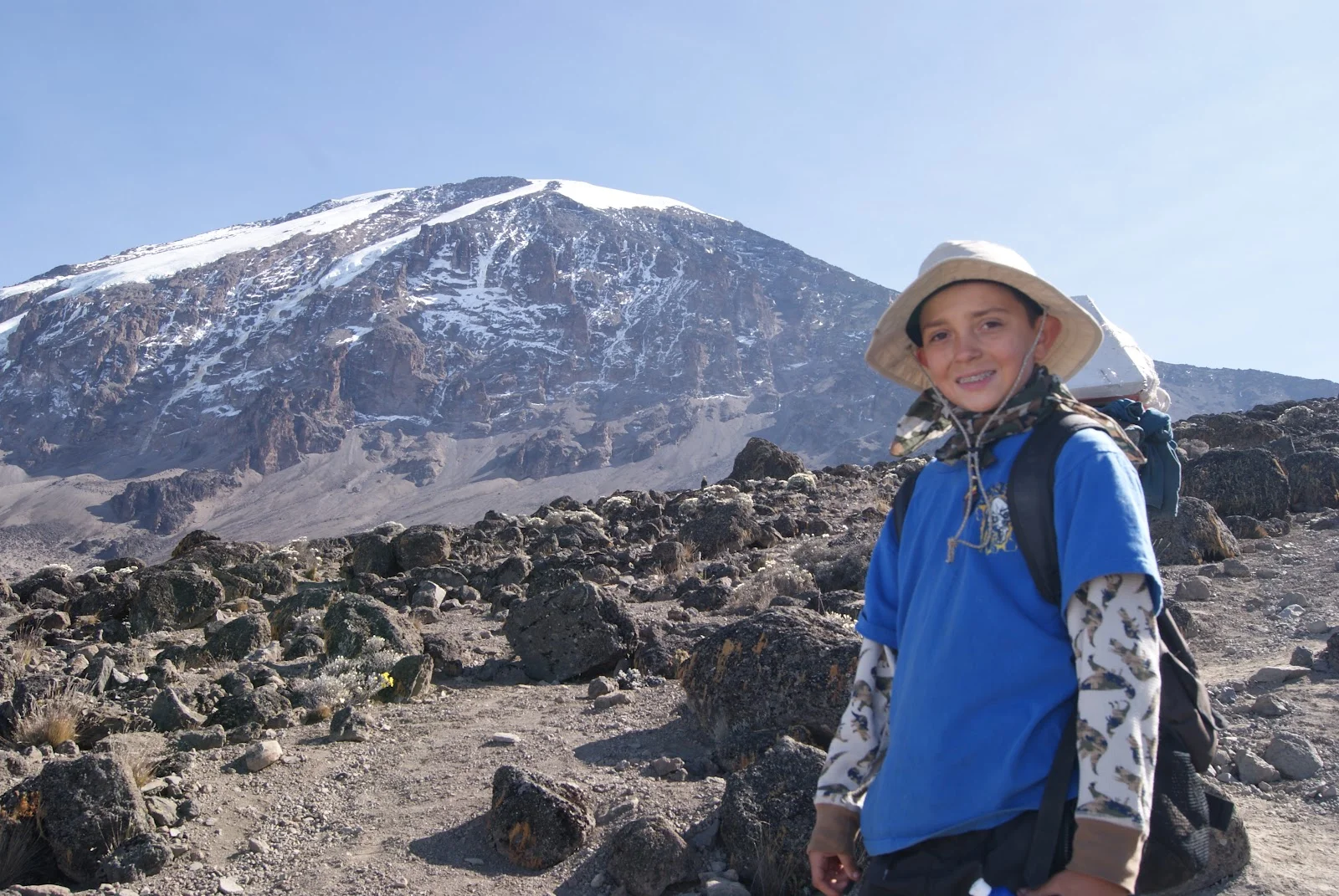
Although the official minimum age is ten, meeting the age requirement alone does not necessarily mean a child is ready to climb Kilimanjaro successfully.
Can Children Successfully Climb Mount Kilimanjaro?
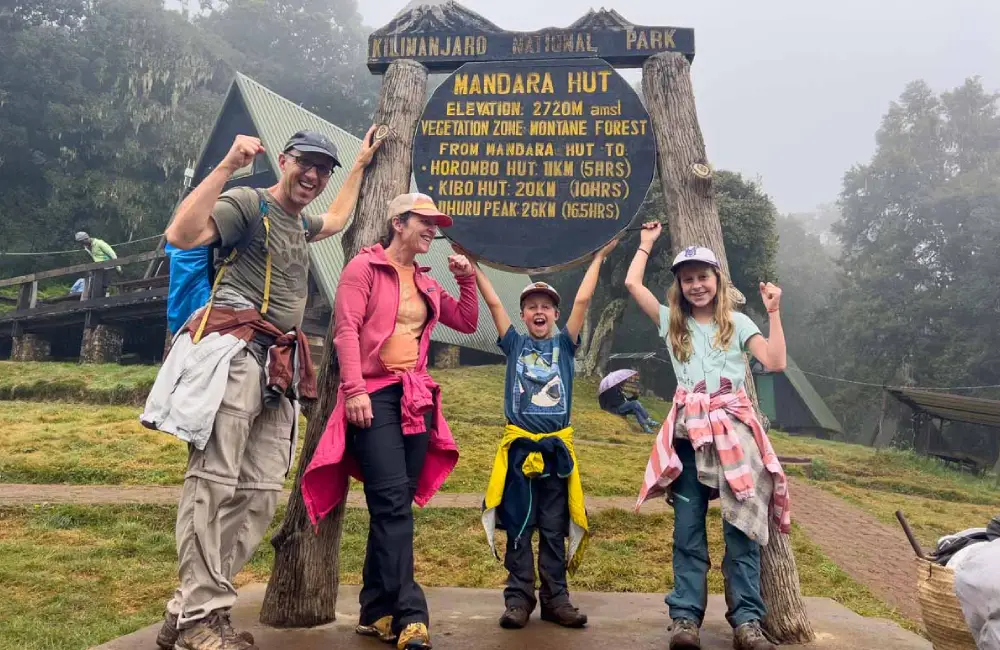
Yes. Many children aged ten and above have successfully reached Uhuru Peak, especially when they are physically active, well prepared, and climb using an itinerary that allows sufficient time for acclimatization.
The most successful young climbers are often those who regularly participate in hiking, sports, or other outdoor activities. More importantly, they should be mentally prepared for several consecutive days of walking, sleeping in tents or mountain huts depending on the chosen route, and coping with cold temperatures and changing weather.
Parents should remember that climbing Kilimanjaro is not a race. The objective should always be a safe and enjoyable experience rather than reaching the summit at all costs.
Why Is There an Age Restriction?
Unlike many mountains, Kilimanjaro rises rapidly from tropical forest to arctic conditions within only a few days. This rapid gain in altitude places significant stress on the human body.
One of the greatest concerns is Acute Mountain Sickness (AMS). While adults can usually describe how they are feeling, younger children may struggle to explain symptoms such as headaches, dizziness, or unusual fatigue. This makes it more difficult for mountain guides to determine whether a child is adapting well to the altitude or developing a more serious condition.
The age restriction therefore serves as an important safety measure rather than simply a rule.
Is Ten Years Old the Ideal Age?
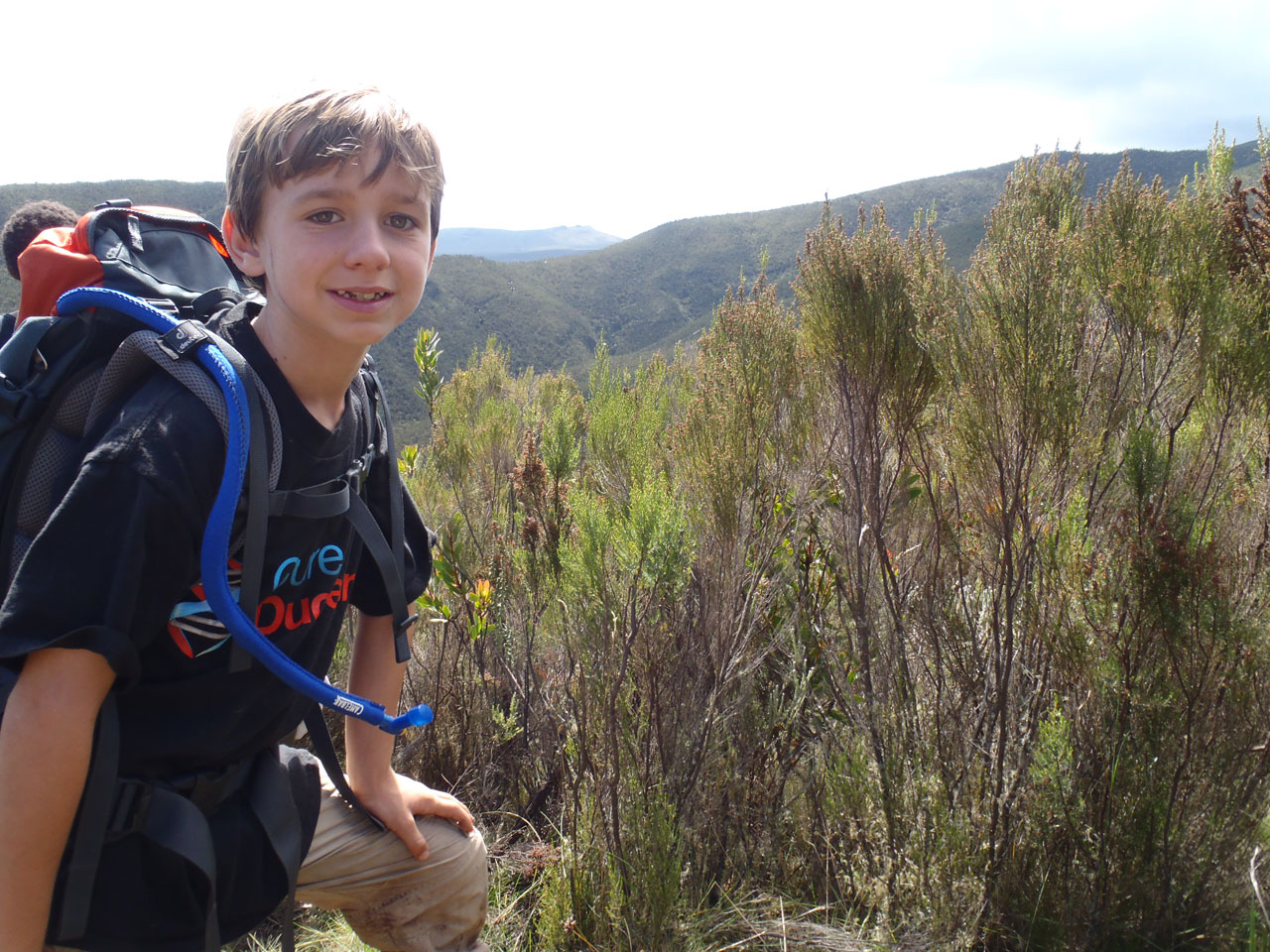
Although TANAPA allows children from the age of ten, many experienced mountain guides recommend waiting until children are between 12 and 16 years old, depending on their physical fitness, maturity, and previous hiking experience.
Older children generally adapt better to long hiking days and are more capable of communicating how they feel throughout the trek. They also tend to have greater endurance and a better understanding of why maintaining a slow climbing pace is essential.
Every child is different, and readiness should be evaluated individually rather than based solely on age.
Which Kilimanjaro Route Is Best for Families?
Choosing the right route can greatly improve both safety and enjoyment. Families should prioritize routes that provide extra acclimatization time instead of selecting the shortest itinerary.
The Lemosho Route is widely regarded as one of the best choices for families because it offers a gradual ascent, excellent scenery, and a high summit success rate. Spending seven or eight days on this route allows children and adults more time to adjust to the altitude.
The Northern Circuit Route is another excellent option for families who have sufficient time. As the longest route on Kilimanjaro, it provides outstanding acclimatization opportunities while avoiding many of the crowded sections of the mountain.
The Machame Route may also be suitable for older teenagers with previous hiking experience, although it involves steeper sections and is generally more physically demanding.
Parents are usually advised to avoid five-day itineraries because rapid ascents significantly increase the risk of altitude sickness.
How Should Children Prepare for the Climb?
Preparation begins several months before arriving in Tanzania. Children should gradually build their fitness through regular walking, hiking, cycling, swimming, or other enjoyable physical activities.
Equally important is helping children understand what to expect during the expedition. Talking about the daily hiking routine, colder temperatures, early summit attempts, and camping conditions helps reduce anxiety and creates realistic expectations.
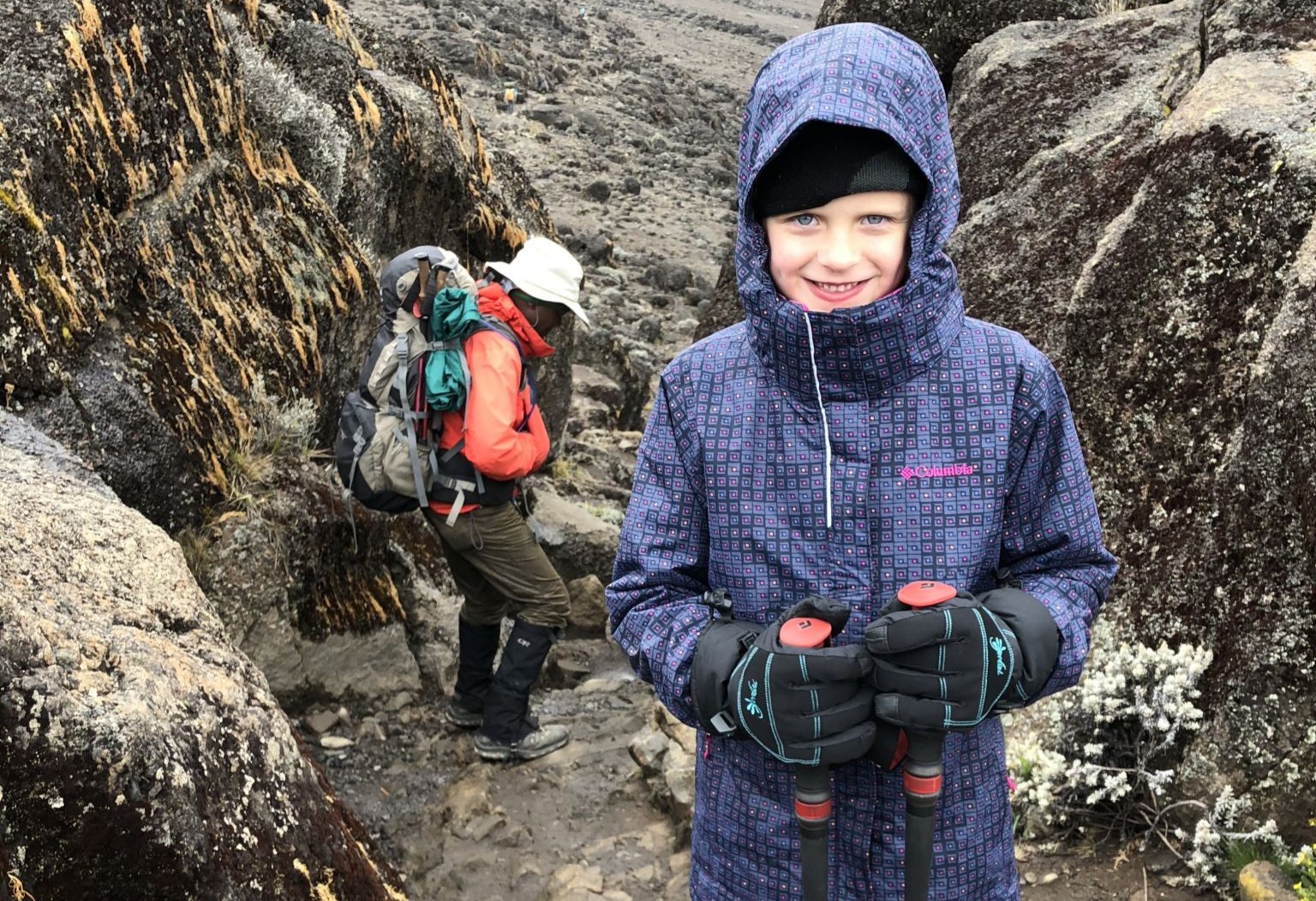
Parents should also invest in high-quality clothing that keeps children warm, dry, and comfortable. Proper hiking boots, layered clothing, waterproof jackets, gloves, hats, and sleeping bags suitable for freezing temperatures are essential.
How Can Families Reduce the Risk of Altitude Sickness?
There is no guaranteed way to prevent altitude sickness, but careful planning significantly improves the chances of a successful climb.
Selecting a longer itinerary allows the body to acclimatize more effectively. Maintaining a slow and steady pace, drinking plenty of water, eating nutritious meals, and getting adequate rest all contribute to successful acclimatization.
Professional mountain guides monitor climbers throughout the trek, including regular health checks using pulse oximeters to measure oxygen saturation. If any climber—including a child—shows concerning symptoms, the safest decision is always to descend.
Essential Safety Tips for Parents
Parents should choose an experienced Kilimanjaro operator with certified mountain guides and an excellent safety record. Daily health monitoring, emergency oxygen, communication equipment, and well-trained support staff are all important factors when selecting a trekking company.
It is equally important to encourage children to speak honestly about how they feel during the climb. Some young climbers may hesitate to mention headaches or fatigue because they fear disappointing their parents. Creating an environment where children feel comfortable reporting symptoms can make a significant difference.
Parents should also avoid placing unnecessary pressure on children to reach the summit. The experience itself should remain enjoyable regardless of how high the family ultimately climbs.
What Happens If a Child Cannot Continue?
Not every climber reaches the summit, and there should never be disappointment if a child—or an adult—needs to turn back.
Mountain guides continually assess each participant’s health and make decisions based on safety rather than ambition. Descending early is often the best choice if altitude sickness symptoms become severe or fail to improve with rest.
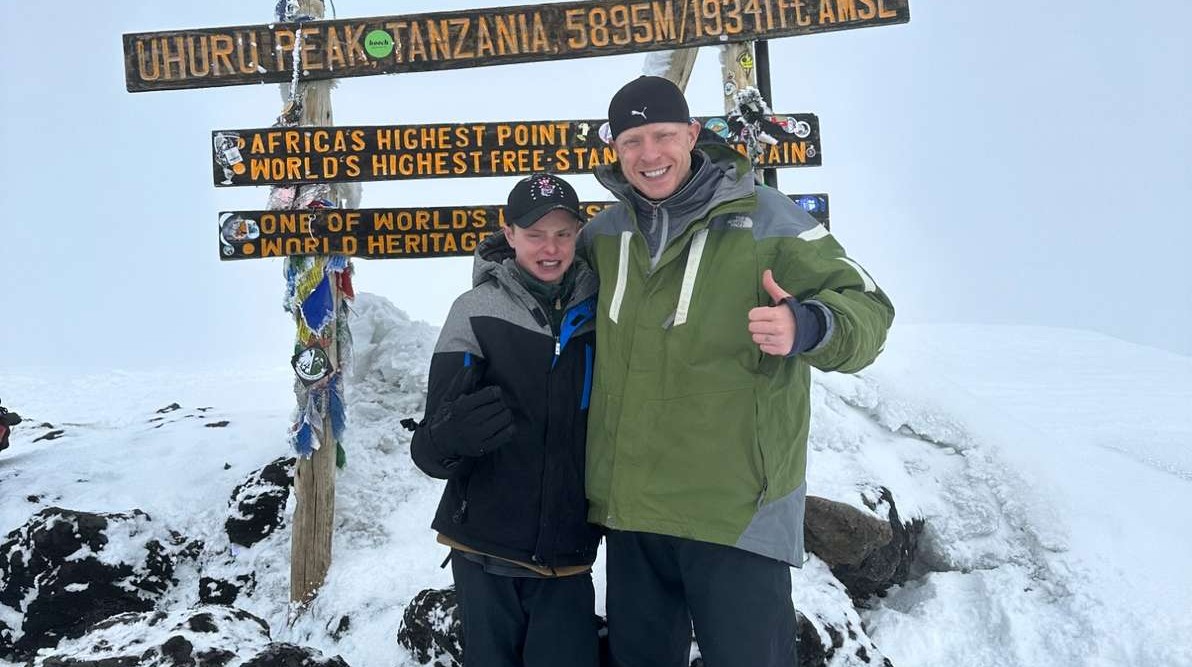
The mountain will always remain, and there will be future opportunities to attempt the climb again.
Why Families Choose Tanzania Joy Tours
At Tanzania Joy Tours, we understand that climbing Mount Kilimanjaro with children requires thoughtful planning, patience, and exceptional safety standards. Our experienced mountain guides are trained to monitor every climber closely, ensuring that families receive personalized support throughout the journey.
We recommend longer itineraries for families to maximize acclimatization, provide comprehensive pre-climb guidance, and help parents select the most suitable route based on their child’s age, fitness, and experience. From the moment you arrive in Tanzania until you celebrate your achievement on the mountain, our team is dedicated to creating a safe, enjoyable, and unforgettable Kilimanjaro adventure.
Final Thoughts
The official minimum age to climb Mount Kilimanjaro is 10 years, but successful family expeditions depend on much more than age alone. Physical fitness, emotional maturity, proper preparation, and choosing an experienced guide service all play vital roles in ensuring a safe climb.
For many families, Kilimanjaro becomes far more than a trekking adventure. It is an opportunity to work together toward a common goal, experience Tanzania’s incredible natural beauty, and create memories that last a lifetime. With careful planning and the right support, children who are ready for the challenge can safely stand on the Roof of Africa alongside their families.