Kilimanjaro Altitude Acclimatization is essential for a safe and successful climb of Mount Kilimanjaro, as it allows your body to gradually adjust to decreasing oxygen levels at higher elevations. By choosing longer routes, maintaining a slow “pole pole” pace, staying well hydrated, and following proper acclimatization strategies, climbers can significantly reduce the risk of altitude sickness and improve their chances of reaching the summit comfortably.
Climbing Mount Kilimanjaro is a journey through multiple climate zones and, more importantly, a journey into high altitude where oxygen levels steadily decrease. Preparing for altitude is not something you can leave to chance—it requires understanding how your body reacts, planning your climb wisely, and adopting the right habits before and during your trek.
Understanding Altitude on Kilimanjaro
As you ascend Kilimanjaro, the air pressure drops, meaning each breath contains less oxygen. By the time you reach the summit at 5,895 meters, your body is receiving nearly half the oxygen it would at sea level. This is why even experienced hikers can struggle—not because of the terrain, but because of altitude.
Your body needs time to adjust by producing more red blood cells and improving oxygen efficiency. This natural process is called acclimatization, and it cannot be rushed.
Why Acclimatization is the Key to Success
Altitude acclimatization is the single most important factor determining whether you reach the summit. Many climbers who are physically fit still fail to summit because they ascend too quickly. The mountain rewards patience, not speed.
When you give your body enough time, it adapts gradually, reducing the risk of altitude sickness and increasing your energy levels. This is why longer itineraries consistently show higher summit success rates.

Choosing the Right Route for Better Acclimatization
Not all Kilimanjaro routes are equal when it comes to altitude preparation. Routes such as Lemosho and Northern Circuit are highly recommended because they offer a slower ascent and more acclimatization days.
These routes follow a gradual climb profile, allowing your body to adjust naturally. In contrast, shorter routes may seem attractive but often increase the risk of altitude-related issues due to rapid elevation gain.
The Importance of a Slow Pace (“Pole Pole”)
One of the most important principles on Kilimanjaro is “pole pole,” a Swahili phrase meaning “slowly, slowly.” This is not just a cultural expression—it is a scientifically proven approach to help your body adapt.
Walking slowly reduces strain on your body, keeps your heart rate stable, and allows your system to adjust to reduced oxygen levels. Even if you feel strong at lower altitudes, maintaining a slow and steady pace is essential as you climb higher.
Hydration and Nutrition at High Altitude
At high altitude, your body loses fluids more quickly due to increased breathing and dry air. Staying hydrated helps your blood circulate oxygen more efficiently and reduces symptoms like headaches and fatigue.
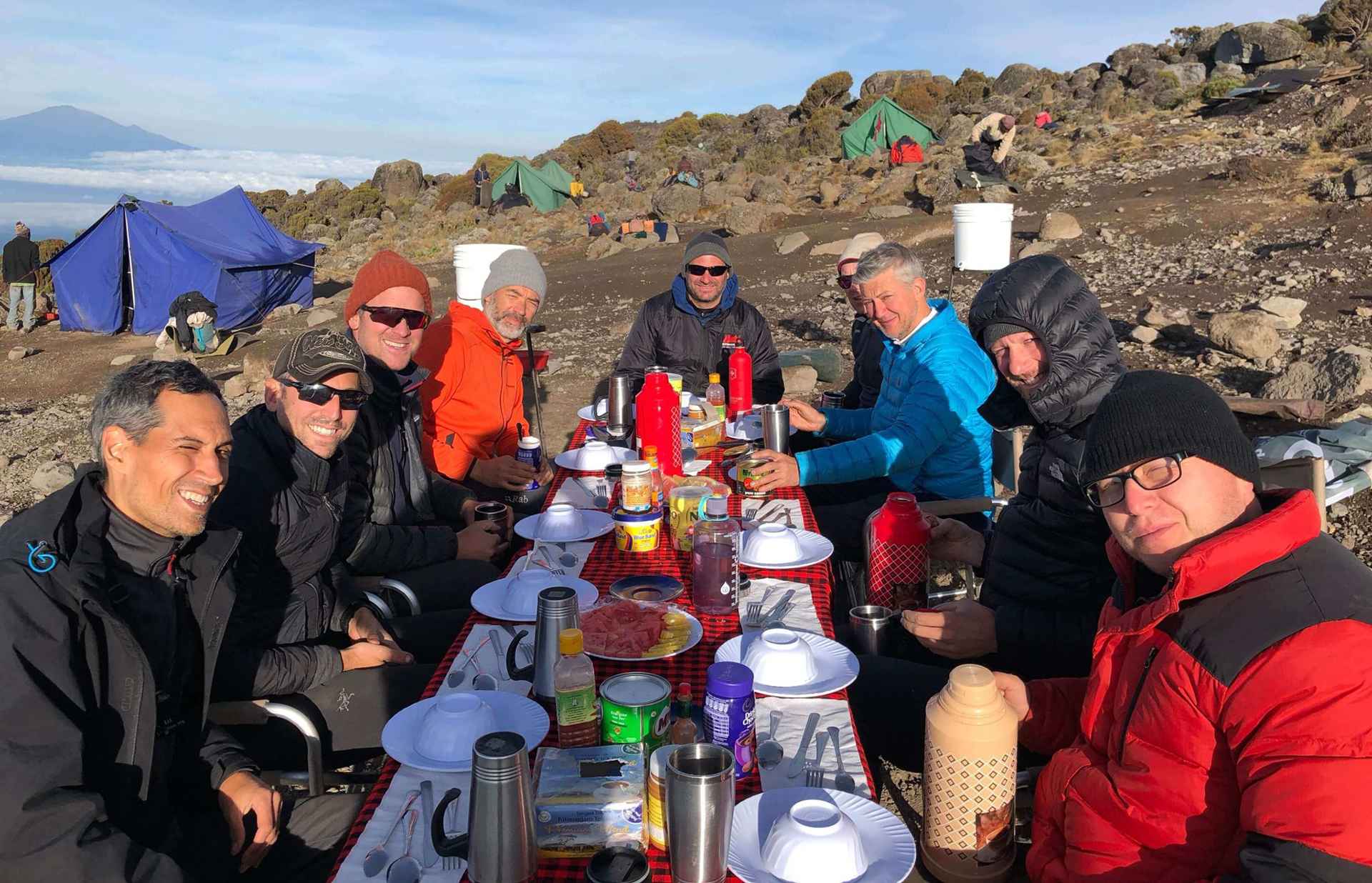
Drinking 3–4 liters of water daily is strongly recommended. Alongside hydration, proper nutrition plays a crucial role. Carbohydrate-rich meals provide the energy your body needs, while maintaining appetite—even when you don’t feel like eating—is important for endurance.
“Climb High, Sleep Low” Strategy
A key acclimatization technique used on Kilimanjaro is the “climb high, sleep low” approach. This means ascending to a higher altitude during the day and then descending slightly to sleep.
This method stimulates your body to adapt more effectively, improving oxygen efficiency without overexertion. It is one of the reasons why professionally guided climbs have higher success rates.
Medical Support and Preventive Measures
Some climbers consider using Acetazolamide to support acclimatization. This medication can help speed up the body’s adjustment process, but it should only be taken under medical advice before your trip.
Equally important is climbing with a professional team that conducts regular health checks. Monitoring oxygen levels and recognizing early symptoms ensures that any issues are addressed before they become serious.
Physical Preparation Before Your Climb
While fitness alone cannot prevent altitude sickness, being physically prepared makes the experience more manageable. Training should focus on endurance activities such as hiking, running, or cycling, combined with strength training for legs and core.
Practicing multi-day hikes or trekking at moderate altitudes before your trip can also help your body become familiar with the demands of long-distance walking.

Mental Preparation and Awareness
Altitude challenges are not only physical—they are mental. Staying positive, patient, and focused plays a major role in how your body responds.
Listening to your body is critical. Symptoms like headaches, dizziness, or nausea should never be ignored. Communicating openly with your guide ensures timely decisions that prioritize your safety.
The Role of Weather and Timing
Weather conditions can influence how your body handles altitude. Colder temperatures, wind, and fatigue can make acclimatization more difficult. Choosing the right season and preparing for changing weather conditions helps reduce additional stress on your body.
Why Experienced Guides Make a Difference
Climbing Kilimanjaro with experienced guides significantly improves your chances of proper acclimatization. Professional teams understand pacing, monitor your health, and adjust plans based on your condition.
Their expertise ensures that you are not just climbing—but climbing safely and intelligently.
Final Thoughts on Preparing for High Altitude
Preparing for altitude on Kilimanjaro is about combining knowledge, preparation, and patience. There is no shortcut to acclimatization, but with the right approach, your body can adapt successfully.
When you respect the mountain, listen to your body, and follow expert guidance, reaching the summit becomes a realistic and deeply rewarding achievement.